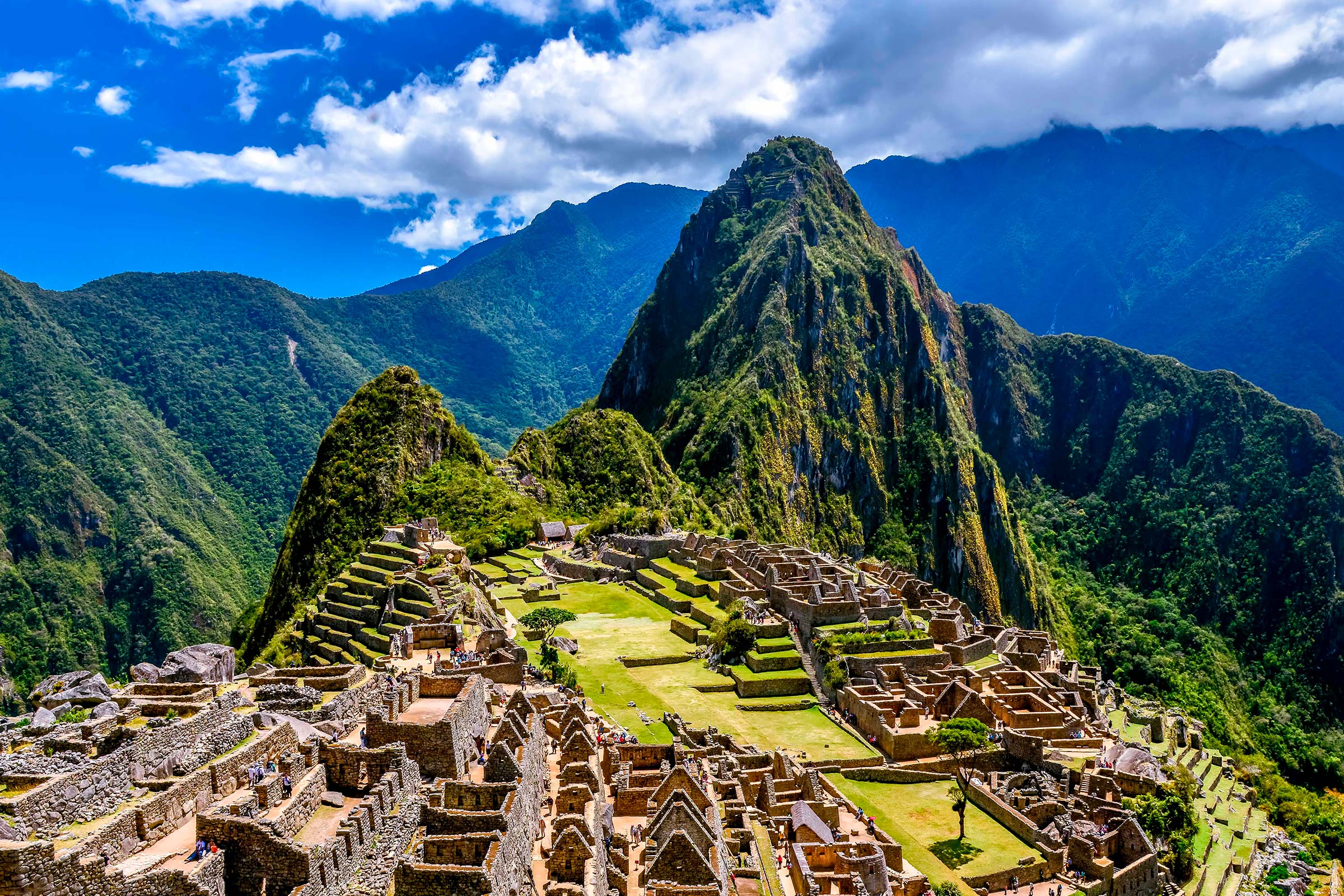

The roaring Vilcanota (Urubamba) River carves the deep granite gorge that encircles Machu Picchu. Navigating the diverse suspension bridges, rail trestles, and footbridges across this powerful river is one of the most memorable elements of the Inca Jungle hiking stages.
Overview of Major River Bridge Crossings
Each crossing represents a different era of engineering, from modern pedestrian wire bridges to historic railway spans.
| Bridge Location | Type of Structure | Height Above River | Key Safety Rule |
|---|---|---|---|
| Santa María Footbridge | Suspension bridge with steel mesh walls | 15 meters above rapids | Walk single file; do not swing railings |
| Quellomayo Cable Crossing | Historical suspension footbridge | 25 meters over rock canyon | Watch wooden plank footing; hold wire cable |
| Intihuatana Rail Bridge | Heavy steel rail trestle with side pedestrian lane | 18 meters above river bend | Stay strictly within pedestrian timber lane |
| Ruinas Footbridge (Machu Picchu base) | Gated stone and steel arch bridge | 10 meters over boulder cascade | Have passport ready for security checkpoint |
Techniques for Calm, Confident Crossings
- Keep Eyes on the Far Shore: Looking down through gaps in wooden planks at turbulent rushing water can trigger sensory disorientation. Fix your gaze on the opposite riverbank.
- Step Across Timber Centers: Wooden deck planks can flex slightly under body weight. Stepping squarely on the center of each plank ensures maximum support.
- Store Trekking Poles in Pack Loops: When crossing swaying bridges, stow poles or hold both in one hand so at least one hand remains free to grip the steel safety cable.
Photo Advice
Never lean over bridge railings to take photos of river rapids. Secure your phone with a wrist lanyard before stopping at the center of the span to snap pictures.
Engineering and History
- Flood Resilience: These modern bridges are engineered high above historical flood water levels to survive torrential rainy season river surges.
- Inca Precedents: Pre-Columbian travelers crossed this river using braided grass suspension bridges (Keshwa chaka) engineered to be burned during tactical military retreats.