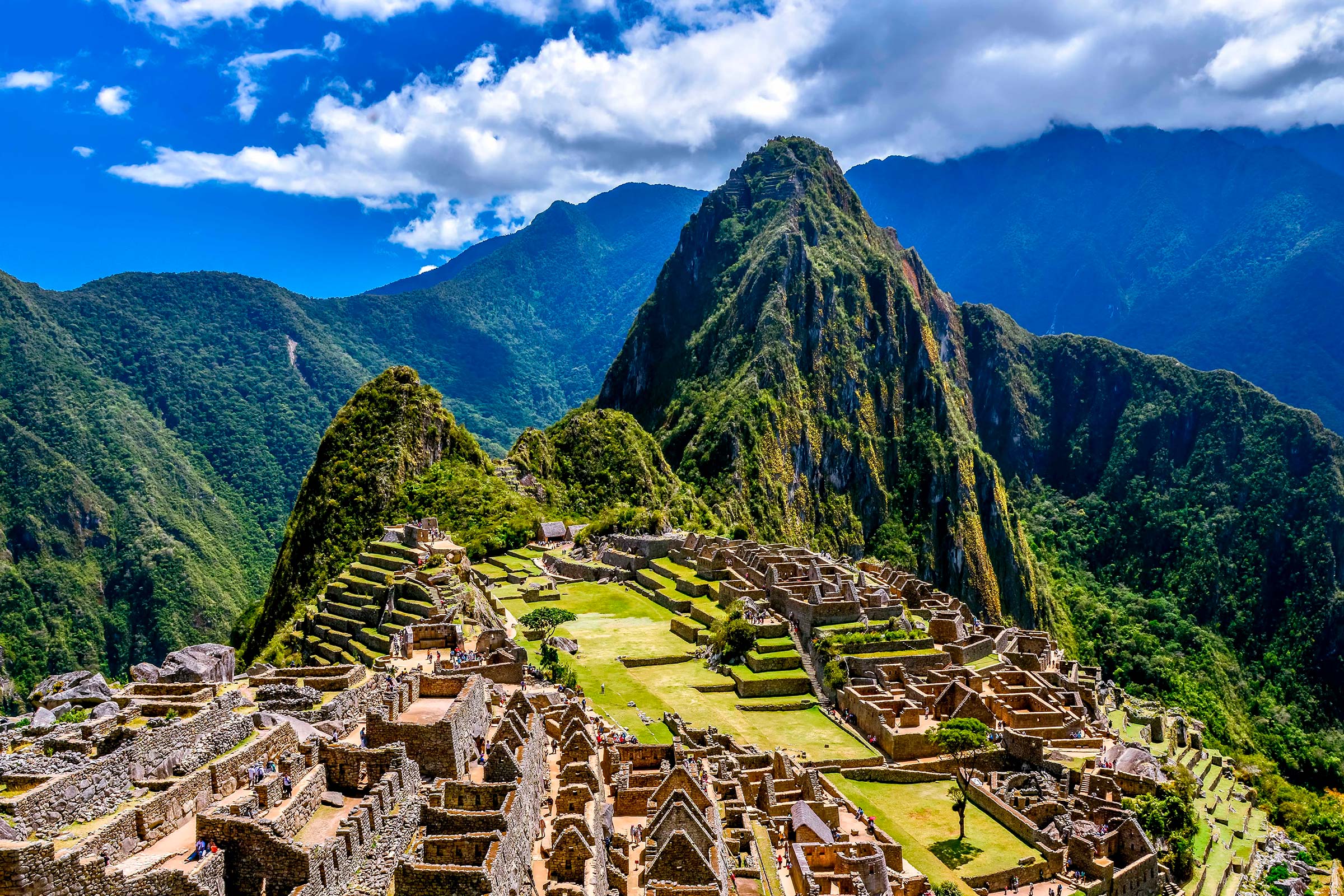

While many travelers assume that the Classic Inca Trail is the only route featuring authentic pre-Columbian stonework, Day 2 of the Inca Jungle route treats trekkers to a breathtaking section of the historic Qhapaq Ñan (the Great Inca Road System) carved directly into sheer cliff faces high above the Urubamba canyon.
The Forgotten Strategic Inca Highway
This ancient stone-paved trail served as a critical trade and military artery connecting the royal citadel of Machu Picchu and the imperial capital of Cusco with the tropical outpost of Vilcabamba — the final stronghold of the Inca resistance against Spanish conquistadors.
| Trail Section | Terrain & Surface | Elevation Gain / Loss | Key Architectural Features |
|---|---|---|---|
| Valley Ascent from Santa María | Dirt switchbacks through coffee groves | +450 m (+1,476 ft) climb | Terraced irrigation channels, agricultural retaining walls |
| Cliff-Face Qhapaq Ñan Ridge | Hand-cut granite flagstones, stone steps | Rolling high ridge at 1,750 m | Vertical retaining stones, drainage gutters, watchpoint platforms |
| Descent to Quellomayo | Uneven stone stairs, packed river silt | -500 m (-1,640 ft) descent | Inca staircase architecture engineered to survive landslides |
Technique for Walking Ancient Granite Steps
- Tread on the Stone Centers: Mountain moisture, jungle humidity, and moss can make stone edges slippery. Place your foot squarely in the center of each slab where surface friction is greatest.
- Adjust Trekking Pole Length: Shorten your poles by 5 to 10 cm when ascending the steep rock switchbacks, and lengthen them by 5 to 10 cm during the steep descent toward the riverbank.
- Mind the Sheer Drop-Offs: Sections of the cliffside path overlook vertical drops down to the river. Maintain focus, stay to the inner wall, and stop completely when pausing to take landscape photographs.
Guide Recommendation
Wear sturdy trail runners or lightweight hiking boots with deep vibram lugs. Smooth-soled sneakers lack the lateral grip needed for wet, angled granite steps.
Historical and Engineering Facts
- Centuries of Erosion Resistance: The drainage channels built beside the Inca steps divert monsoon rains away from the roadbed, explaining why these paths remain intact after more than 500 years.
- Chasqui Communication: Royal Inca couriers (Chasquis) traversed these exact stones at high speed, carrying fresh fruit, feathers, and dried medicinal herbs between the jungle and Cusco in under 24 hours.