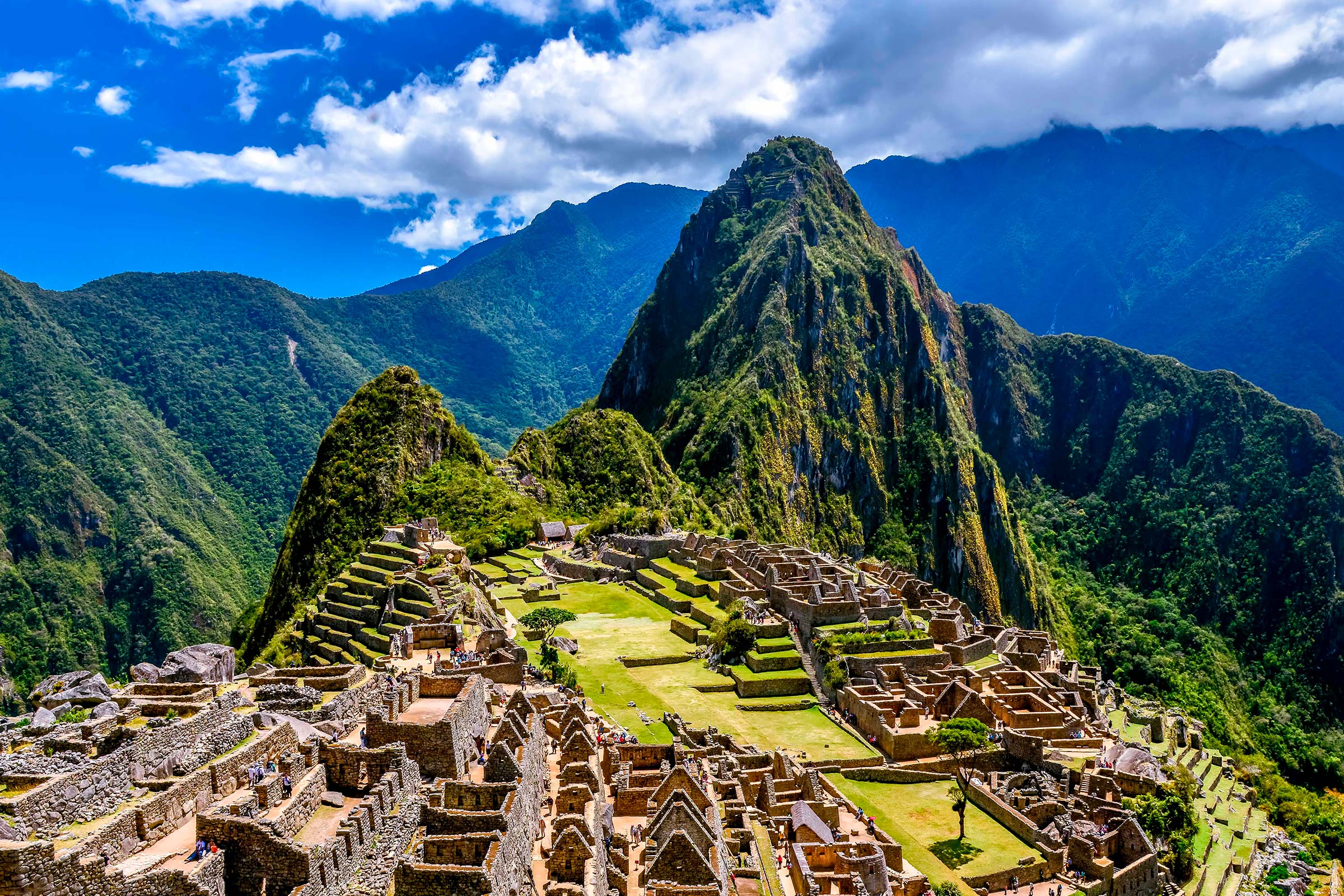

Hiking in 85% humidity at 25°C produces heavy sweating that strips your bloodstream of sodium, potassium, and magnesium. Simply drinking liters of pure plain water without replacing lost electrolytes can cause water intoxication (hyponatremia), leading to muscle cramps, nausea, and severe fatigue.
Signs of Dehydration vs Electrolyte Depletion
Many travelers misinterpret muscle cramps and headaches as a sign that they need “more water,” when in fact their body is severely starved of essential minerals.
| Condition | Primary Physiological Cause | Common Physical Symptoms | Immediate Corrective Action |
|---|---|---|---|
| Simple Dehydration | Insufficient fluid volume in bloodstream | Thirst, dry lips, dark amber urine, dizziness | Sip clean water steadily over 30 minutes |
| Hyponatremia (Low Sodium) | Over-drinking plain water while sweating heavily | Bloating, throbbing headache, nausea, brain fog | Consume salted broth, electrolyte tabs, salty snacks |
| Magnesium / Potassium Deficit | Mineral loss through sustained exertion | Painful calf spasms, foot arch cramps at night | Eat bananas, granadilla, oral magnesium packet |
Formulating Your Daily Trail Drink
- One Electrolyte Bottle per Day: If you drink 3 liters of fluid daily, ensure at least one full liter contains a balanced hydration powder or dissolvable electrolyte tablet.
- Natural Electrolyte Sources: Fresh coconut water, salted soups served at lunch lodges, and fresh valley oranges provide natural potassium and sodium.
- Avoid Pure Sugary Energy Drinks: Highly sweetened commercial energy drinks cause sharp blood glucose spikes followed by sudden fatigue crashes on the trail.
Night Recovery Tip
Dissolve an electrolyte tablet in a glass of water right before going to sleep at your Santa Teresa lodge. This prevents sudden calf cramps from waking you during the night.
Critical Hydration Facts
- Sweat Rate in Jungle: An active trekker can lose between 0.8 and 1.5 liters of sweat per hour during steep climbs in the high jungle.
- Sodium Concentration: Every liter of human sweat carries away roughly 900 milligrams of sodium, which must be actively replenished through food and mineral drinks.