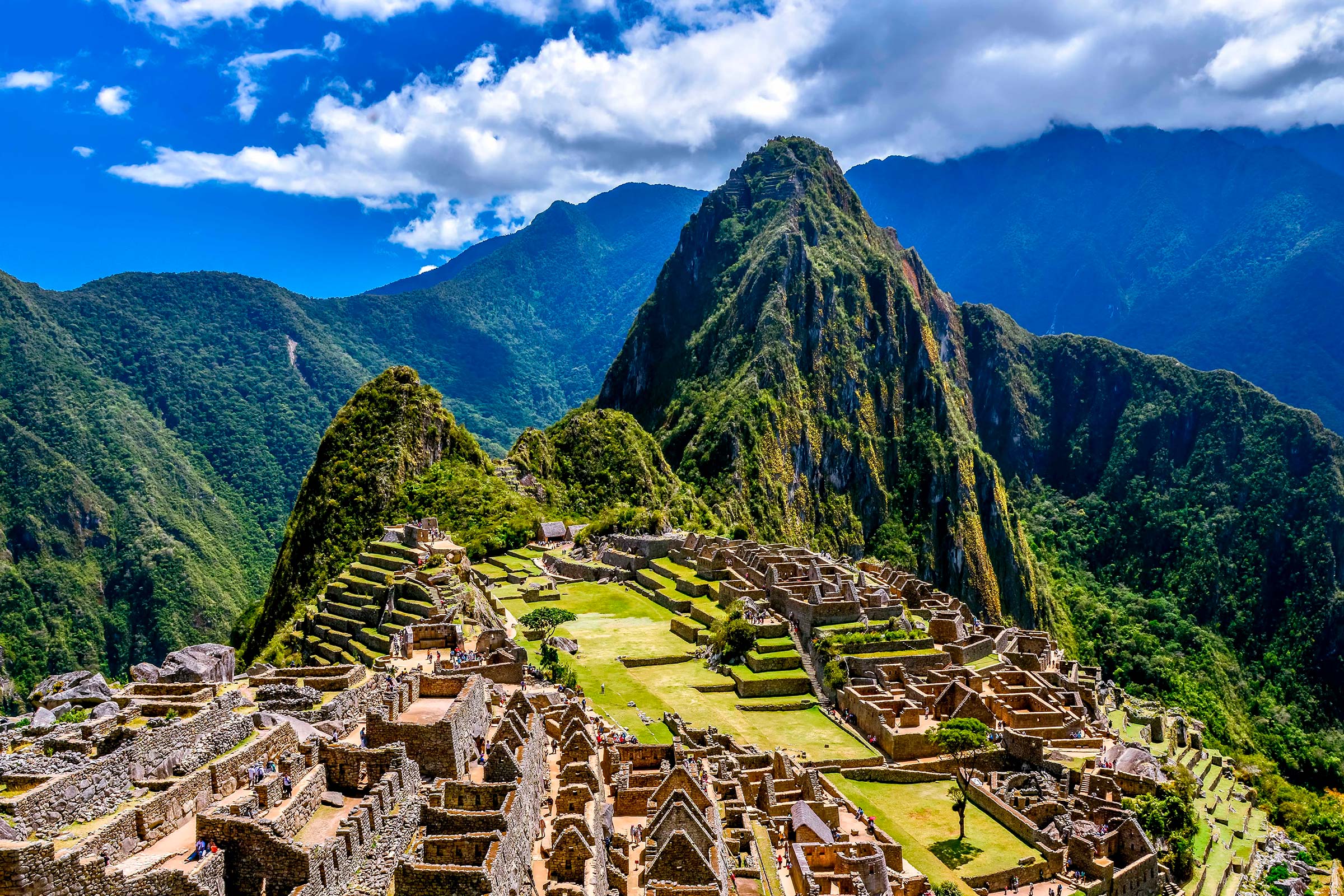

While modern visitors celebrate the Inca Jungle for its adrenaline-filled sporting activities, this corridor represents one of the most historically significant geopolitical routes in pre-Columbian and colonial South America. These paths formed the lifeline between the sacred capital of Cusco and the dense rainforests of the Antisuyu.
The Strategic Role of the Cloud Forest Highway
The ancient Incas classified their empire into four administrative quarters, with the Antisuyu encompassing the eastern jungle slopes. Far from being an impassable wild jungle, this region was a thriving industrial agricultural center that supplied imperial Cusco with vital prestige goods.
| Commodity / Resource | Origin in High Jungle | Destination in Cusco | Imperial Inca Significance |
|---|---|---|---|
| Sacred Coca Leaves | La Convención / Santa María Valley | Qorikancha Temple & Royal Nobility | Supreme religious offerings, state diplomacy, divination |
| Exotic Bird Feathers | Lower Urubamba River Basin | Inca Emperor (Sapa Inca) & Military Captains | Woven royal headdresses, imperial battle regalia |
| Chonta Hardwood | Sub-tropical Amazonian foothills | Imperial Armories in Cusco | Unbreakable spears, battle clubs, ceremonial digging tools |
| Medicinal Herbs & Honey | Cloud Forest Canyon slopes | Inca Healers (Hampicamayocs) | Treatment of respiratory ailments, wound antiseptic |
The Vilcabamba Neo-Inca State Connection
- The 36-Year Resistance: After the Spanish conquest of Cusco in 1536, the rebel emperor Manco Inca retreated along these exact jungle trails to establish the Neo-Inca state in the hidden jungle capital of Vilcabamba.
- Guerrilla Defense Geography: The narrow gorges, sheer cliffs, and rushing torrents made Spanish cavalry utterly useless, allowing the Incas to defend their independence until 1572.
- Machu Picchu as a Gateway: Historians agree that Machu Picchu was never an isolated fortress, but rather the administrative and agricultural crown jewel overseeing these rich jungle trade corridors.
Cultural Etiquette
When walking past ancient stone retaining walls, avoid leaning on or shifting any stones. These historic structures have weathered centuries of earthquakes and rainfall.
Fascinating Archaeological Facts
- Terraced Microclimates: The stone terraces visible along the trail were engineered to trap daytime heat from the sun and release it at night, preventing frost and accelerating crop growth.
- The Chasqui Network: Runners stationed every few miles could transmit messages between the jungle plantations and Cusco in a single day using the quipu (knotted string recording system).