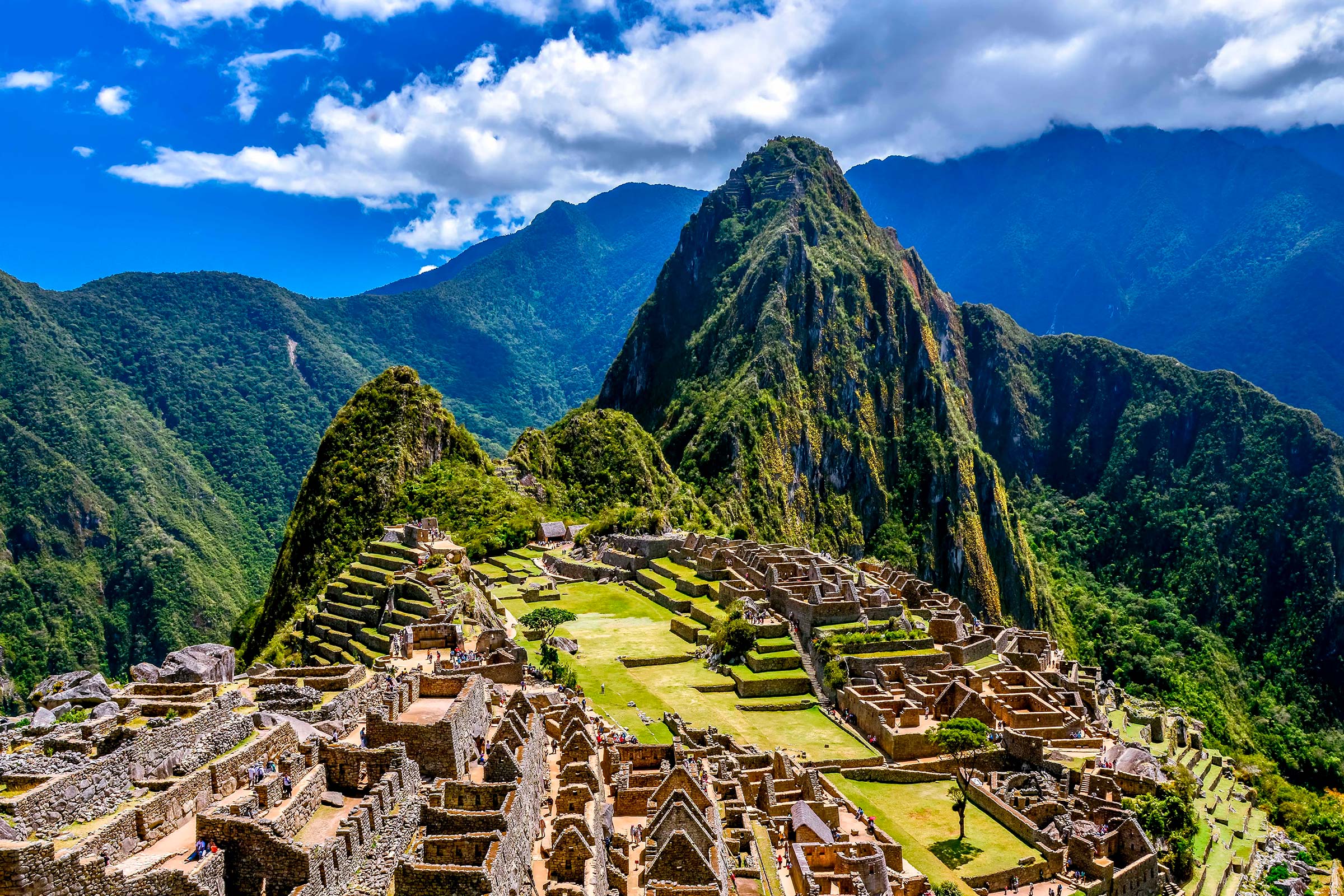

Descending hundreds of irregular granite stairs carved by the Incas five centuries ago places heavy eccentric load on knee joints, quadriceps, and patellar tendons. Mastering downhill foot placement and trekking pole rhythm protects your joints throughout the Inca Jungle trek.
The Biomechanics of Downhill Stair Walking
With each step down on hard stone, your lead knee absorbs impact force equivalent to three to four times your total body weight. Over an 18-kilometer trek, this cumulative stress leads to joint soreness if proper posture is ignored.
| Stepping Technique | Knee Joint Impact | Muscle Engagement | Stability on Wet Stone |
|---|---|---|---|
| Straight-Leg Heel Strike (Poor) | Severe; shocks pass directly into knee cartilage | Minimal; joints absorb force | Dangerous; heels slip easily on mossy rock |
| Bent-Knee Midfoot Landing (Optimal) | Low; quad and glute muscles absorb kinetic energy | High; active muscular dampening | Maximum friction contact across stone face |
| Poles Placed Ahead Simultaneously | Reduced by 25% to 30% per step | Upper body arms share load | Provides dual stabilizing tripods |
Techniques for Knee Preservation
- Lengthen Your Trekking Poles: For steep descents, lengthen your poles by 5 to 10 cm so you can plant them ahead on lower steps without bending your upper body forward.
- Take Short, Controlled Steps: Avoid leaping down large drop-offs between stone slabs. Look for intermediate stones to break a large drop into two smaller steps.
- Zig-Zag Down Wide Stairways: On broad sections of Inca stonework, walk diagonally across the staircase rather than straight down to reduce the slope gradient.
- Wear Compression Knee Sleeves: Elastic knee wraps or patellar bands keep joint tissues warm and stabilize kneecap tracking on long descents.
Pro Guide Tip
Plant your poles before your feet. When stepping down, place both poles securely on the lower step first to establish balance before lowering your body weight.
Essential Anatomical Facts
- Eccentric Quad Fatigue: Downhill walking forces your quadriceps to lengthen while under tension, which causes the familiar “shaky legs” sensation. Rest breaks every 45 minutes allow muscle fibers to recover.
- Stone Friction Factor: Inca granite steps are slightly convex. Placing your foot in the center provides superior grip compared to stepping on rounded stone edges.