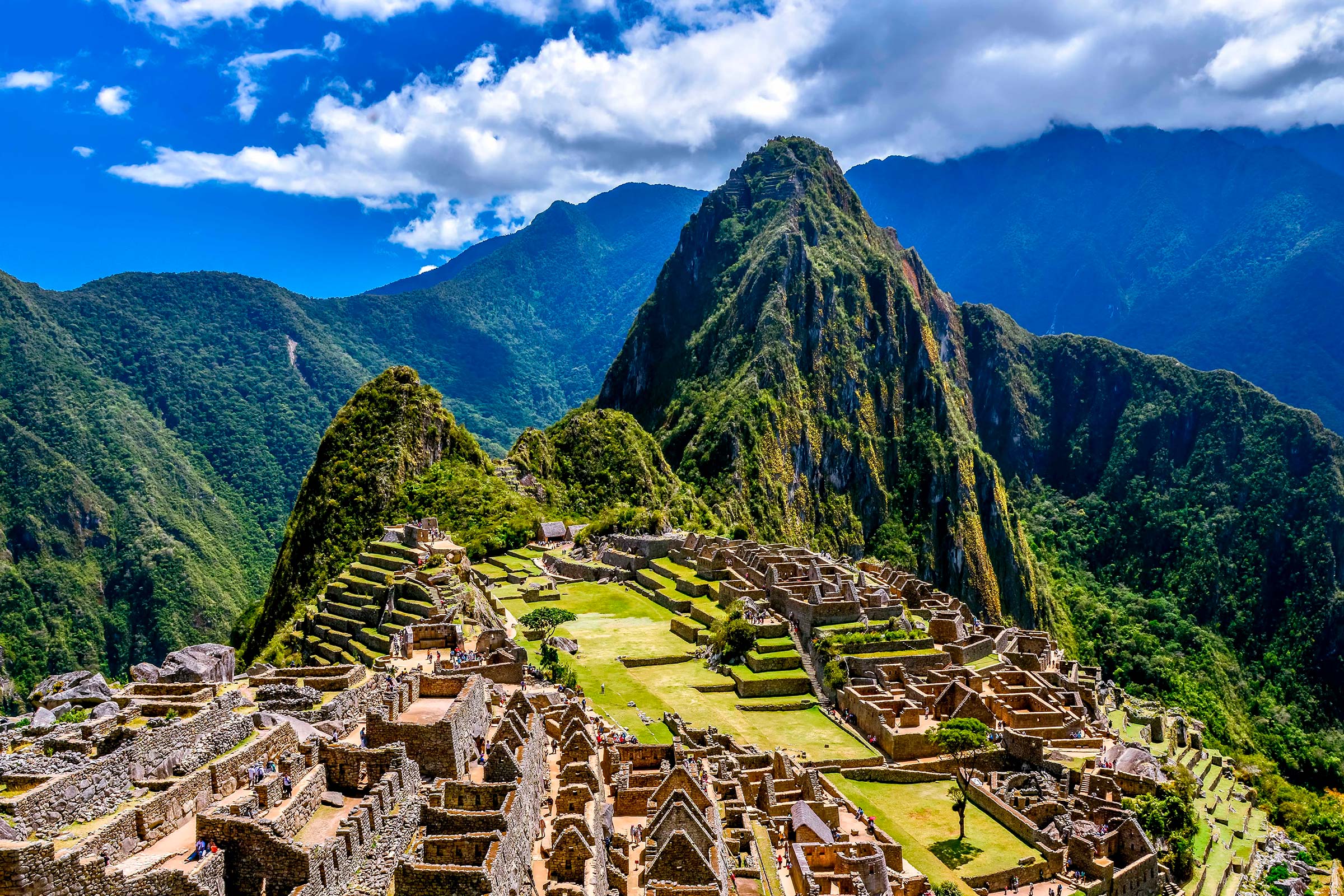

The Machu Picchu Historical Sanctuary and the surrounding cloud forest ecosystems are among the most ecologically sensitive regions in South America. As an adventure traveler embarking on the Inca Jungle tour, your daily trail habits have a direct, lasting impact on preserving native wildlife, ancient stone trails, and local indigenous communities.
The Seven “Leave No Trace” Principles Adapted for the Jungle
Sustainable trekking is not about deprivation; it is about mindful traveling that leaves the mountain corridors cleaner and healthier than you found them.
| Sustainable Practice | Common Negative Habit to Avoid | Positive Action to Adopt | Long-Term Conservation Impact |
|---|---|---|---|
| Waste Management | Throwing organic fruit peels on trail | Pack out all trash, including orange & banana peels | Prevents non-native decomposition and wildlife poisoning |
| Hydration Habits | Buying 4-5 single-use plastic bottles daily | Refill reusable bladders with boiled lodge water | Eliminates non-recyclable plastic pollution in canyons |
| Trail Preservation | Cutting switchback corners on steep trails | Stay strictly on established stone pathways | Prevents severe rainy season mudslides and erosion |
| Chemical Runoff | Using chemical insect repellents right before hot springs | Rinse off all lotions in showers prior to pool entry | Preserves subterranean mineral water purity at Cocalmayo |
| Wildlife Respect | Using flash photography or feeding wild animals | Observe silently from distance; no food offerings | Prevents dangerous animal habituation and behavioral stress |
Supporting the Local Rural Economy Ethically
- Buy Local, Direct from the Grower: Purchase fresh fruit, roasted coffee, and handmade chocolate bars directly from small family farmstands along the trail rather than imported packaged snacks from chain stores in Cusco.
- Tipping Guides and Porters Fairly: Tipping is voluntary but deeply appreciated. Gratuities acknowledge the tireless hard work of local bike mechanics, river safety kayakers, cooks, and cultural guides who support your adventure.
- Choose Responsible Tour Operators: Ensure your tour company pays legal living wages, provides full safety equipment, and uses eco-friendly lodges that practice responsible waste composting.
Sanctuary Rule Reminder
Single-use plastic water bottles are prohibited by Peruvian federal law inside the Machu Picchu Sanctuary. Park rangers at the entrance turnstiles will confiscate disposable plastic bottles.
Inspiring Conservation Facts
- UNESCO World Heritage Status: Machu Picchu is one of the rare sites designated by UNESCO as a Mixed Cultural and Natural Heritage site, acknowledging both its ancient Inca architecture and its irreplaceable cloud forest biodiversity.
- Carbon-Neutral Tourism: The municipality of Machu Picchu Pueblo (Aguas Calientes) operates Latin America’s first municipal organic waste pyrolysis plant, converting restaurant food waste into nutrient-rich biochar for reforestation.