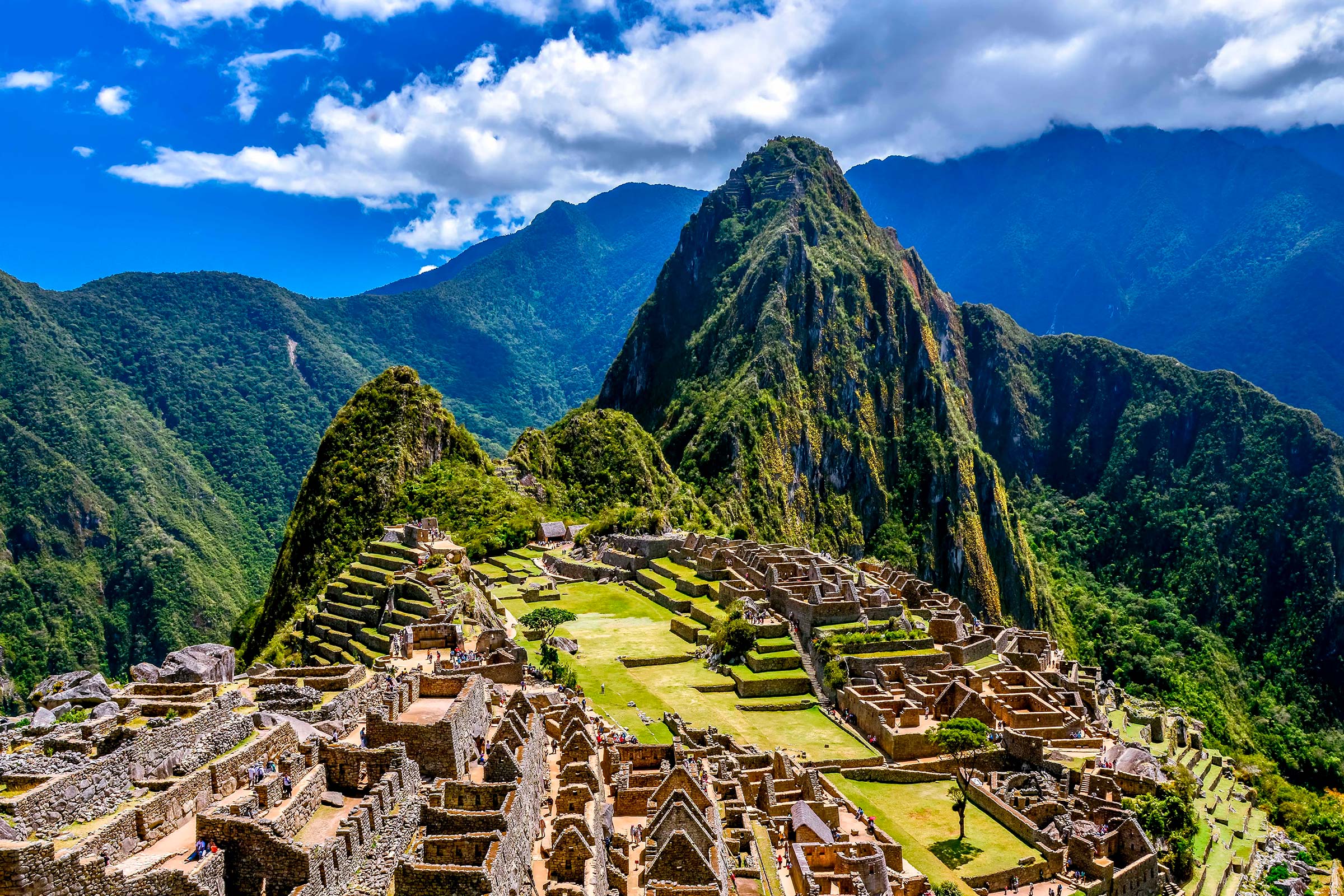

The transition from freezing rain at Abra Málaga (4,316 m) to humid asphalt below requires specialized rubber contact with the road. Choosing and inspecting the right mountain bike tires for high-speed mountain road descents prevents skidding on tight alpine switchbacks.
Tread Patterns and Rubber Compounds
Unlike off-road mud riding where tall knobs dig into soft dirt, wet asphalt demands maximum surface contact area (rubber-to-road contact) paired with strategic water evacuation sipes.
| Tire Type | Tread Pattern | Wet Asphalt Grip | Rolling Resistance |
|---|---|---|---|
| Semi-Slick Road Enduro | Smooth center with grooved sipes | Excellent; maximizes friction surface | Very Low; smooth and fast rolling |
| Aggressive Mud Knobby | Tall, widely spaced square lugs | Poor on asphalt; squirm causes sliding | High; slower and noisy on pavement |
| All-Terrain Hybrid (Standard) | Low-profile center tread with shoulder lugs | Very Good; balanced braking and cornering | Moderate; stable through gravel patches |
Tire Pressure Strategy for Changing Altitudes
- Atmospheric Pressure Expansion: Air inside bicycle tires expands as you descend from 4,300m to 1,500m due to rising atmospheric density. Starting at 35 PSI at the pass is ideal.
- Lower Pressure for Grip: Running slightly lower pressure (32-35 PSI) increases the contact patch, dramatically improving cornering safety on damp pavement.
- Inspect Sidewalls Before Departure: Check for sidewall cuts or exposed casing threads caused by volcanic roadside gravel.
Mechanic Pro Tip
Never lock your front brake in a corner. If your rear wheel slips, you can slide and recover; if your front wheel loses traction on wet pavement, a crash is virtually instantaneous.
Key Technical Facts
- Dual Compound Rubber: Modern downhill tires use harder rubber in the center for fast braking and softer rubber on side lugs for cornering grip.
- Tube vs Tubeless: Support vehicles carry heavy-duty thorn-resistant tubes to guarantee fast repairs if a puncture occurs along the descent.