
Packing footwear for the Inca Jungle tour poses a unique dilemma: you need rigid soles for pedal efficiency, sticky rubber for wet granite mountain trails, and quick-drying drainage for river rapids. Attempting the entire trek in a single pair of sneakers is a recipe for blistered, waterlogged feet.
The Ideal Multi-Sport Footwear System
Rather than hauling heavy mountaineering boots, seasoned adventure travelers employ a modular two-pair or three-pair shoe rotation tailored to the specific mechanical demands of each activity.
| Activity Stage | Recommended Footwear | Sole / Upper Construction | Why It Works |
|---|---|---|---|
| Day 1: Downhill Biking | Stiff-soled skate shoe or trail runner | Flat rubber sole, reinforced toe cap | Grips flat platform pedals firmly without flex fatigue |
| Day 1: Urubamba Rafting | Neoprene booties or strapped river sandals | Non-marking sticky rubber, secure heel webbing | Drains instant water; won’t get sucked off in swift currents |
| Day 2 & 3: Jungle Trail Hiking | Breathable trail running shoes | Aggressive 4-5mm multi-directional lugs, quick-drying mesh | Maximum traction on wet Inca steps; dries rapidly overnight |
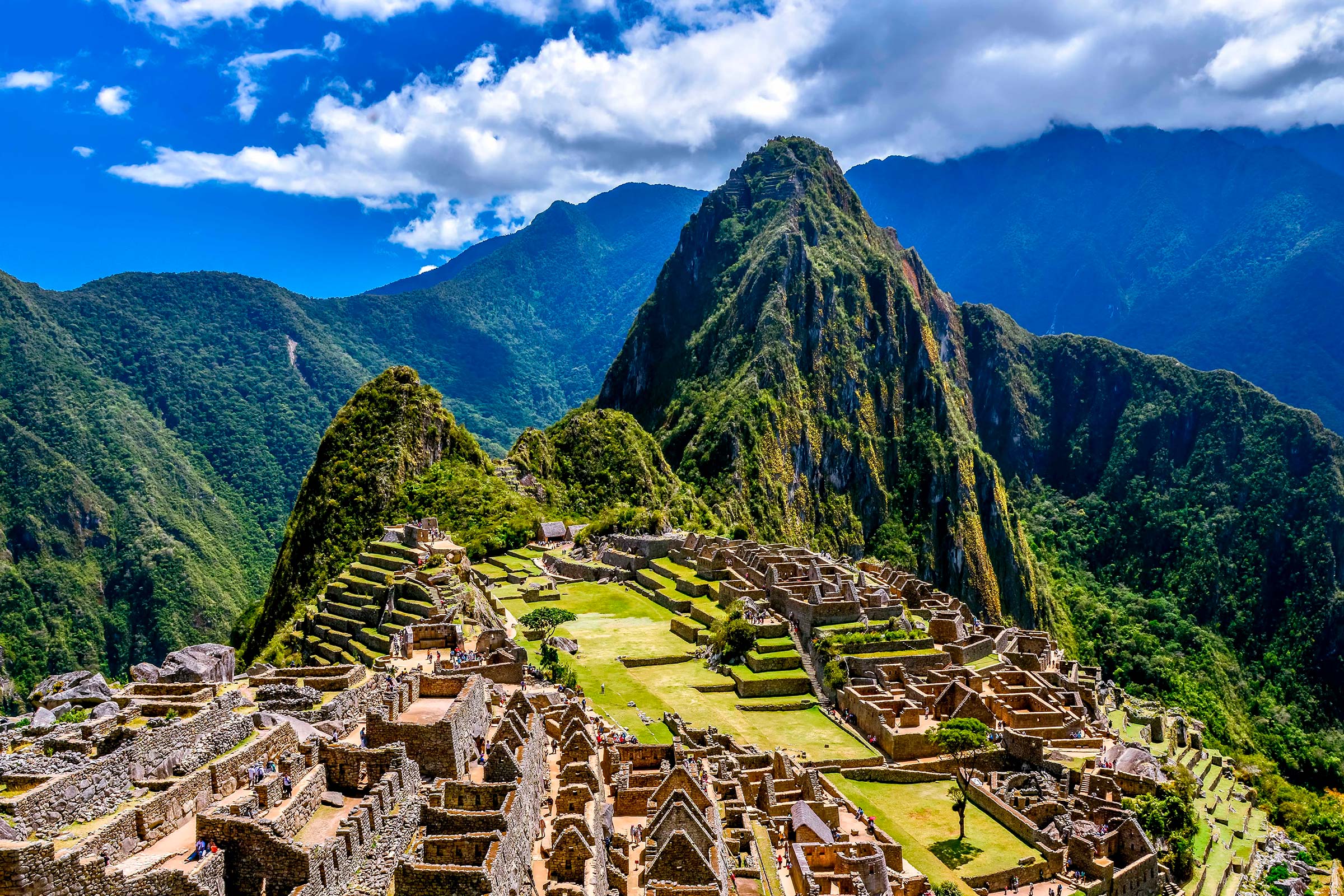
| Day 4: Machu Picchu Citadel | Dry trail runners or clean walking shoes | Comfortable EVA midsole cushioning | Prevents foot fatigue on extensive stone stair circuits |
Pro Tips for Foot Care and Blister Prevention
- Leave Heavy Leather Boots at Home: Traditional waterproof Gore-Tex leather boots take days to dry in the 80% humidity of the cloud forest if water enters from above. Lightweight mesh trail runners dry in a fraction of the time.
- Merino Wool Socks are Essential: Wool retains thermal insulation even when damp, regulates temperature during hot valley walks, and contains natural antimicrobial properties that prevent fungal blisters.
- Pre-Tape Hot Spots: Apply zinc oxide tape or blister pads to your heels and outer toes on morning one before friction starts.
Packing Tip
Never pack wet shoes inside your main backpack. Strap damp river sandals to the external compression bungees of your daypack so they dry under the daytime sun while you hike.
Key Footwear Facts
- Machu Picchu Rule: Metal trekking shoe crampons and spiked soles are strictly prohibited inside the Machu Picchu Sanctuary to preserve historic Inca stonework.
- Weight Optimization: Modern trail runners weigh roughly 300 grams per shoe compared to 850 grams for hiking boots, saving significant muscular energy over 30 kilometers of walking.